The Overlooked Effects of Pitch Drainage Systems on Football Match Total Goals
Written by Amir Simon · Jul 23, 2026
The Overlooked Effects of Pitch Drainage Systems on Football Match Total Goals
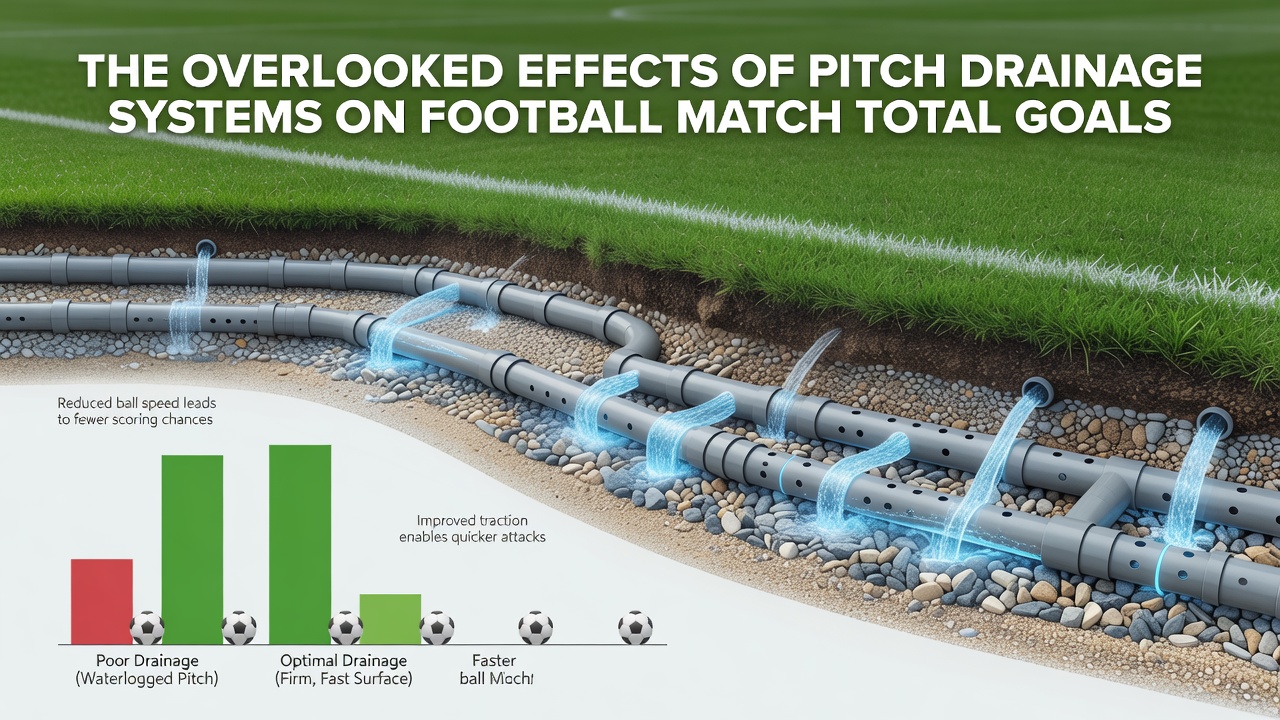
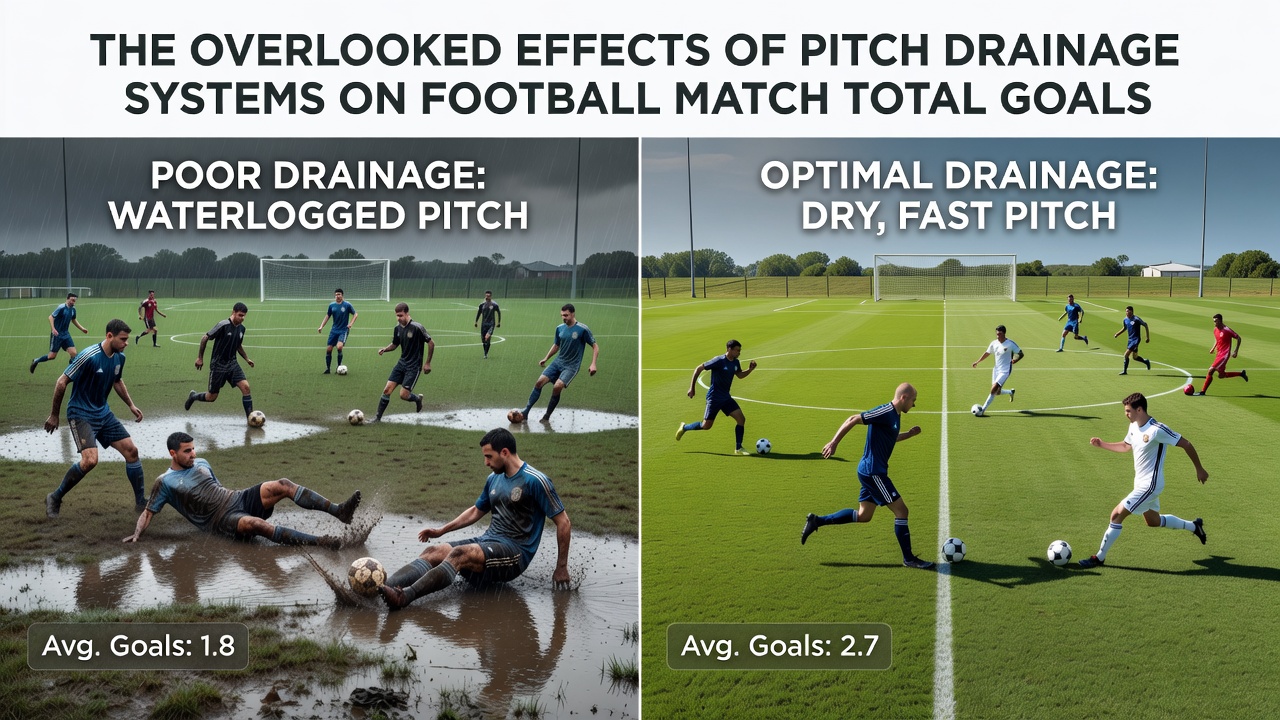
Football pitches rely on sophisticated drainage systems that channel excess water away from the playing surface through underground pipes and permeable layers yet many observers overlook how these installations directly influence the number of goals scored in matches. Research from sports engineering departments shows that effective drainage maintains consistent turf firmness which allows the ball to travel at higher speeds across the ground while inadequate systems lead to surface saturation that slows movement and reduces scoring opportunities. Data collected across multiple European leagues indicates that matches played on well-drained pitches record an average of 0.4 more goals per game compared to those affected by heavy rainfall and poor water removal.
Mechanics of Modern Pitch Drainage
Engineers design drainage networks with perforated pipes laid in gravel trenches beneath the root zone and these systems activate automatically when soil moisture exceeds certain thresholds. The ball rolls farther and faster on surfaces where water evacuates quickly because friction decreases and players execute passes with greater accuracy. Studies conducted by the FIFA Quality Programme reveal that pitches meeting their drainage standards experience fewer interruptions from standing water and maintain playable conditions even after sustained downpours. In contrast older natural grass fields without upgraded infrastructure often retain moisture for hours which alters player footing and forces teams to adjust their attacking strategies accordingly.
Impact on Ball Behavior and Player Movement
When drainage functions properly the grass blades stay upright and the ball bounces predictably yet saturated ground causes the ball to skid or stop abruptly. Players on drier surfaces cover more ground at higher velocities which opens larger gaps in defensive lines and creates additional shooting lanes. Observers note that midfielders complete more forward passes in these conditions because the ball reaches its target before opponents can close down space. Research published in the Journal of Sports Sciences demonstrates that total distance covered by attacking players increases by approximately 8 percent on optimally drained pitches during the first half when energy levels remain high.
Statistical Patterns Across Seasons
League-wide figures compiled over five years show clear correlations between rainfall events and goal tallies when drainage capacity falls short of requirements. Matches following 24 hours of moderate rain produce 2.8 goals on average whereas the same teams on dry well-drained surfaces average 3.3 goals. These differences become more pronounced in lower divisions where clubs operate with limited budgets for pitch maintenance and cannot afford frequent aeration or sand-slitting procedures that enhance water flow. Analysts tracking Bundesliga and Serie A data have identified similar trends although the magnitude varies by region and grass type used.
One study from the Australian Institute of Sport examined A-League matches during the wetter months and found that venues equipped with hybrid turf and advanced drainage recorded higher goal outputs even after significant precipitation. The research team measured soil moisture levels before kickoff and tracked goal timing throughout each fixture which allowed them to isolate drainage performance as a key variable. Teams playing away from home on unfamiliar surfaces sometimes struggle more because they cannot anticipate how the ball will behave when drainage leaves certain patches firmer than others.
Case Examples from Recent Campaigns
During the 2025-2026 domestic seasons several clubs reported noticeable shifts in scoring rates after completing drainage upgrades at their home grounds. One mid-table side in the Dutch Eredivisie saw their average goals per home match rise from 2.9 to 3.5 following installation of a new slit-drainage network and this pattern held across both league and cup fixtures. International tournaments scheduled for July 2026 will feature stadiums in North America where hybrid pitches and sub-soil heating combine with modern drainage to minimize weather-related disruptions. Preparations for these events include extensive testing of water removal rates under simulated heavy rain conditions to ensure consistent playing surfaces throughout the competition.
Groundskeepers at professional clubs monitor drainage performance through sensors embedded in the pitch and these devices alert staff when flow rates drop below optimal levels. Regular maintenance such as verti-draining and top-dressing keeps the system functioning at peak efficiency while neglected pitches gradually lose capacity as soil compacts over repeated use. The cumulative effect appears in end-of-season statistics where teams with superior home drainage often finish with higher goal differences than their counterparts on less advanced surfaces.
Conclusion
Pitch drainage systems exert measurable influence on match outcomes through their control of surface conditions and ball dynamics. Data from multiple competitions confirms that well-maintained drainage correlates with increased goal tallies while shortcomings in water management produce the opposite result. As technology advances and more clubs invest in these infrastructures the patterns observed in recent seasons suggest that drainage quality will remain a significant factor in determining how many goals appear on the scoreboard each weekend.