Referee Histories Uncover Patterns in Soccer Outcome Predictions Across Leagues
Written by Casey Wolf · Aug 24, 2026
Referee Histories Uncover Patterns in Soccer Outcome Predictions Across Leagues
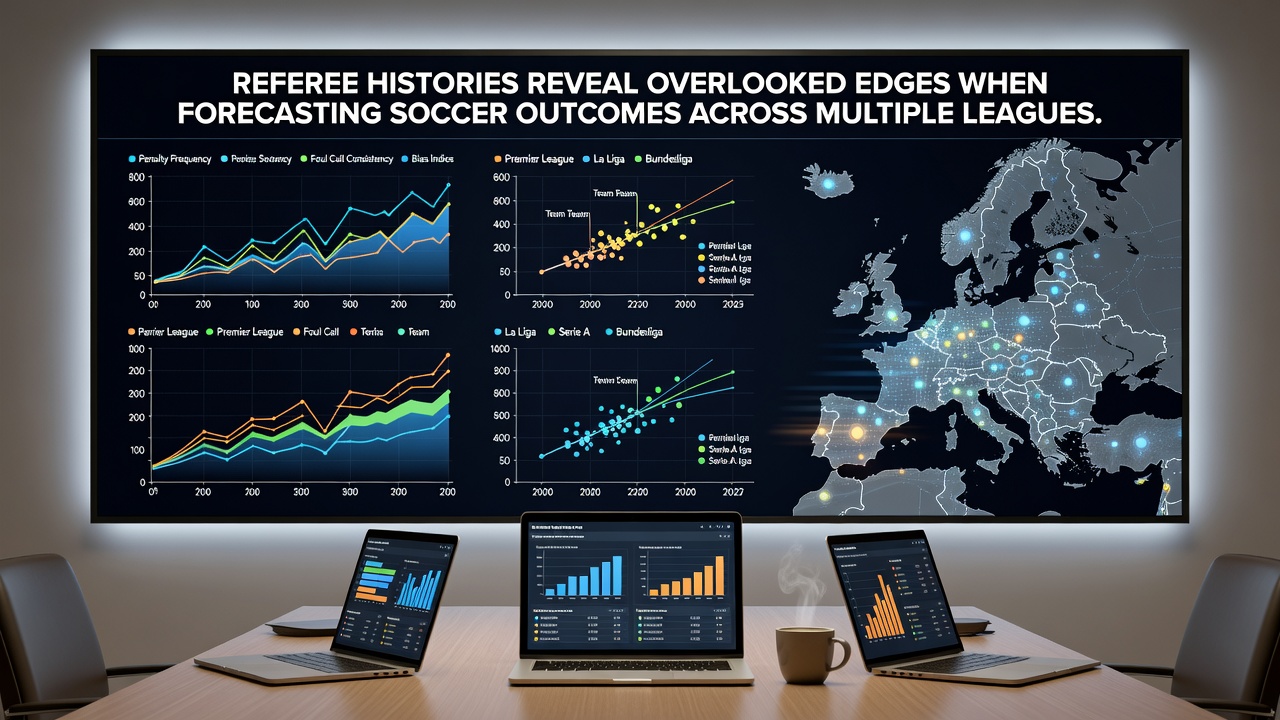
Referee histories have emerged as a factor in soccer forecasting models that analysts apply across leagues such as the English Premier League, La Liga, Bundesliga, and Serie A, where past decisions on cards, penalties, and stoppage time correlate with match results in measurable ways. Data compiled from multiple seasons shows that certain officials issue more yellow cards in high-stakes fixtures while others allow greater physical play, and these tendencies shift expected goal totals and team performance metrics when incorporated into predictive frameworks.
Patterns Across European Competitions
Studies of referee assignments in the Bundesliga reveal consistent differences in foul calls between officials who operate in northern versus southern venues, and teams that adapt their pressing styles accordingly record higher points per game averages over extended periods. In La Liga, records indicate that referees from specific regions award penalties at rates that exceed league averages during matches involving promoted sides, which affects both win probabilities and draw frequencies when tracked over five-year spans. Observers note that Serie A data from 2023 through 2025 highlights stoppage-time additions that vary by referee experience level, with veterans extending games by an average of 90 seconds more than newer appointments in tightly contested fixtures.
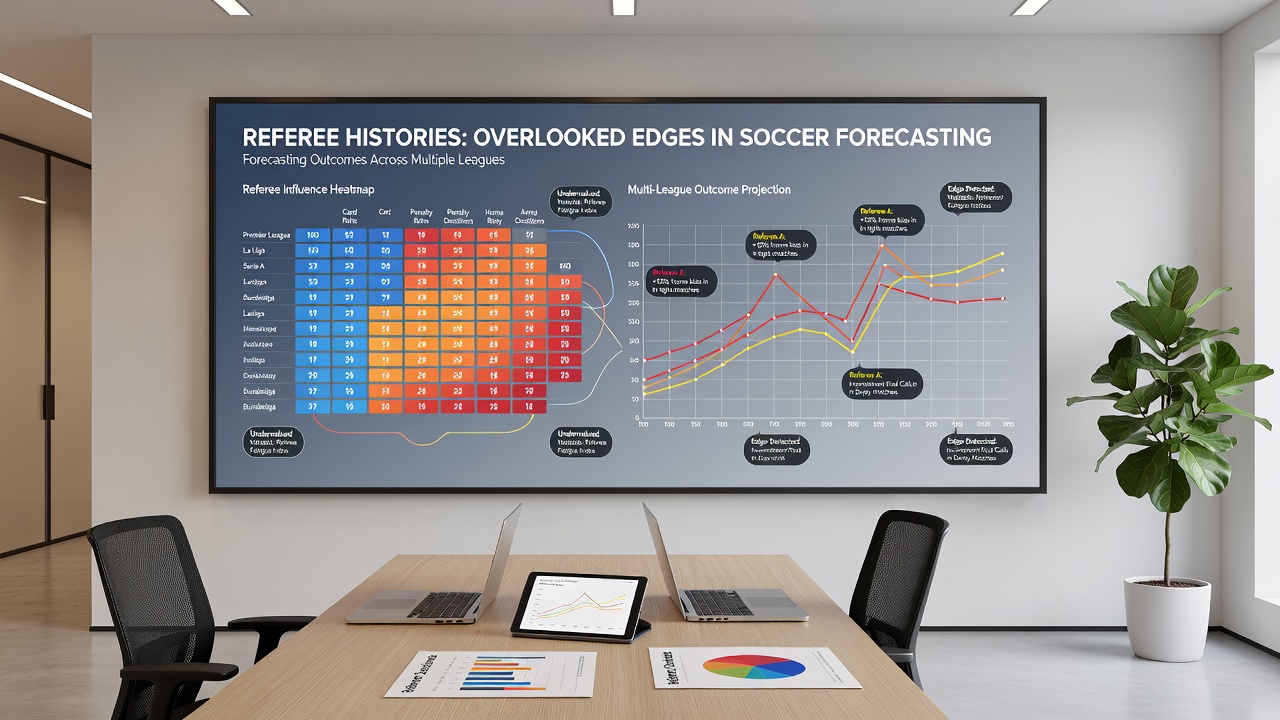
These variations become relevant when forecasting models integrate referee profiles alongside traditional inputs like team form and head-to-head records. Analysts who cross-reference official histories with league-specific rules on video assistant referee interventions find improved alignment between projected and actual outcomes, particularly in August fixtures when new season schedules introduce unfamiliar pairings.
Integration with Multi-League Datasets
August 2026 marks the start of another campaign where scheduling bodies assign referees based on rotation protocols designed to balance workload, and early-season data from prior years demonstrates that certain officials maintain card rates within narrow bands regardless of venue changes. Researchers who examined matches from the Portuguese Primeira Liga alongside Belgian Pro League encounters identified overlapping tendencies in extra-time distributions that influence total goals scored in the final 15 minutes of play. Such findings allow forecasters to adjust line probabilities when the same referee handles matches in adjacent midweek rounds across borders.
According to reports from the European Club Association, referee performance tracking systems now include metrics on foul detection accuracy that vary by league density and player nationality profiles. These metrics feed into statistical models that weight historical referee data more heavily when predicting results in leagues with fewer video reviews per game.
Regional Variations and Data Sources
Canadian Soccer Association publications on domestic league referee trends show parallels with Major League Soccer patterns in the United States, where officials with extensive international experience issue fewer cautions during cross-conference games. Australian researchers at the University of Sydney documented similar referee-specific effects in the A-League, noting that stoppage-time decisions correlate with travel distance for visiting teams. When these regional datasets combine with European records, forecasting platforms gain broader context for outcomes that involve traveling squads or neutral-venue encounters.
Industry analyses from the German Football Association further illustrate how referee age and prior match counts influence decision speed in penalty situations, and teams that study these variables adjust set-piece strategies accordingly. Figures released through academic channels indicate that incorporating referee history variables reduces forecast error margins by measurable percentages across tested leagues when compared against baseline models that exclude such inputs.
Practical Application in Forecasting Workflows
Forecasters who maintain updated referee databases apply filters for recent form, injury-related substitutions, and weather conditions that interact with official tendencies. Data from multiple leagues demonstrates that referees who average higher card counts per 90 minutes also oversee matches with elevated rates of late red-card incidents, which shifts expected points distributions for both home and away sides. These adjustments integrate into simulation engines that run thousands of iterations to produce probability ranges rather than single-point estimates.
What's notable is how league governing bodies publish referee appointment lists weeks in advance, giving analysts time to layer historical profiles onto upcoming fixtures without relying on last-minute changes. Cross-league comparisons become feasible because many officials operate in domestic cups and continental competitions, creating shared data points that strengthen model robustness when applied to parallel seasons.
Conclusion
Referee history integration continues to expand within soccer forecasting as datasets grow more granular and accessible across global leagues. Patterns documented in card issuance, penalty awards, and time management provide supplementary inputs that complement existing statistical frameworks, and ongoing collection efforts in August 2026 and beyond will likely refine these correlations further. Organizations and researchers maintain public repositories that support such analysis, enabling consistent application across competitions without dependence on any single regulatory source.