Headgear Heroes: Blinkers and Tongue-Ties Turning Laggards into Horse Racing Contenders
Written by Yves Simon · Apr 9, 2026
Headgear Heroes: Blinkers and Tongue-Ties Turning Laggards into Horse Racing Contenders
What Blinkers and Tongue-Ties Do in the Starting Gate
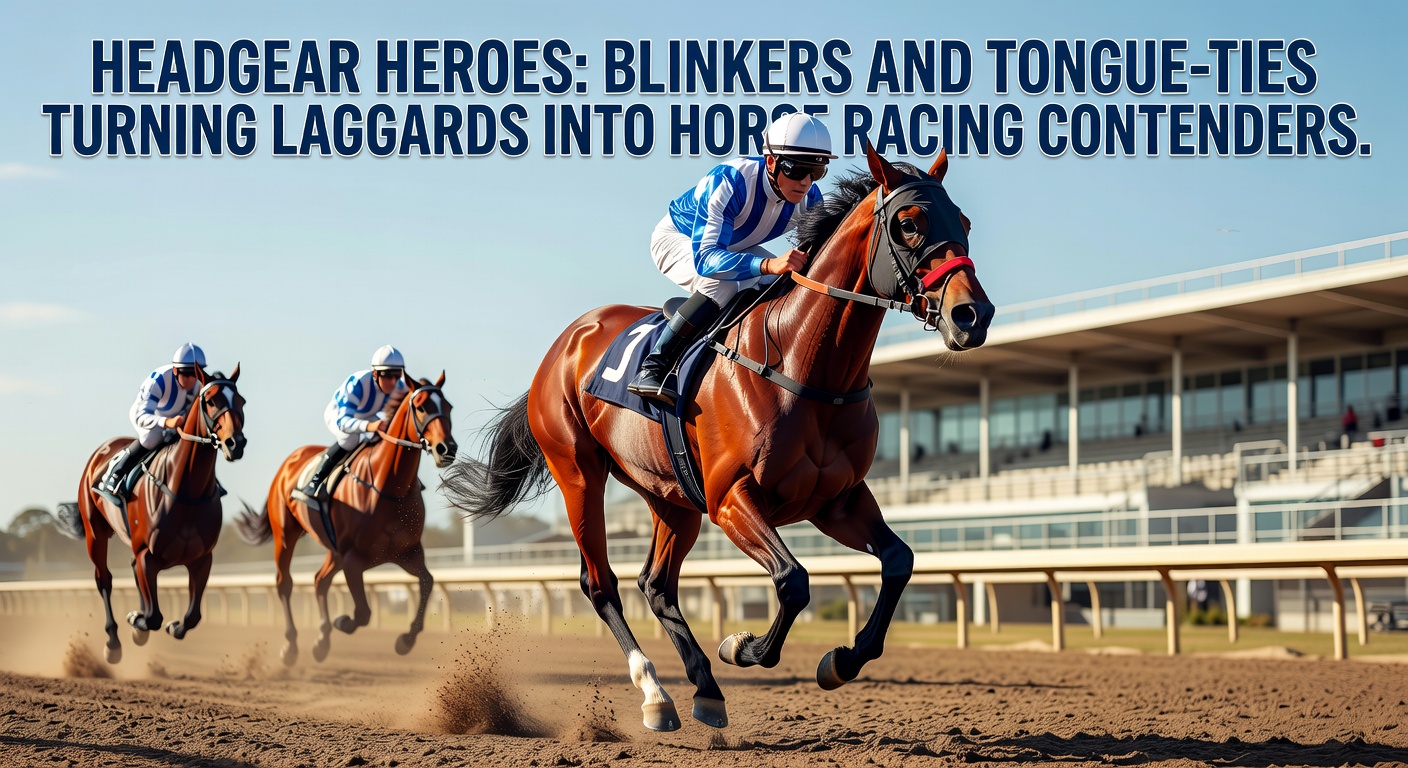
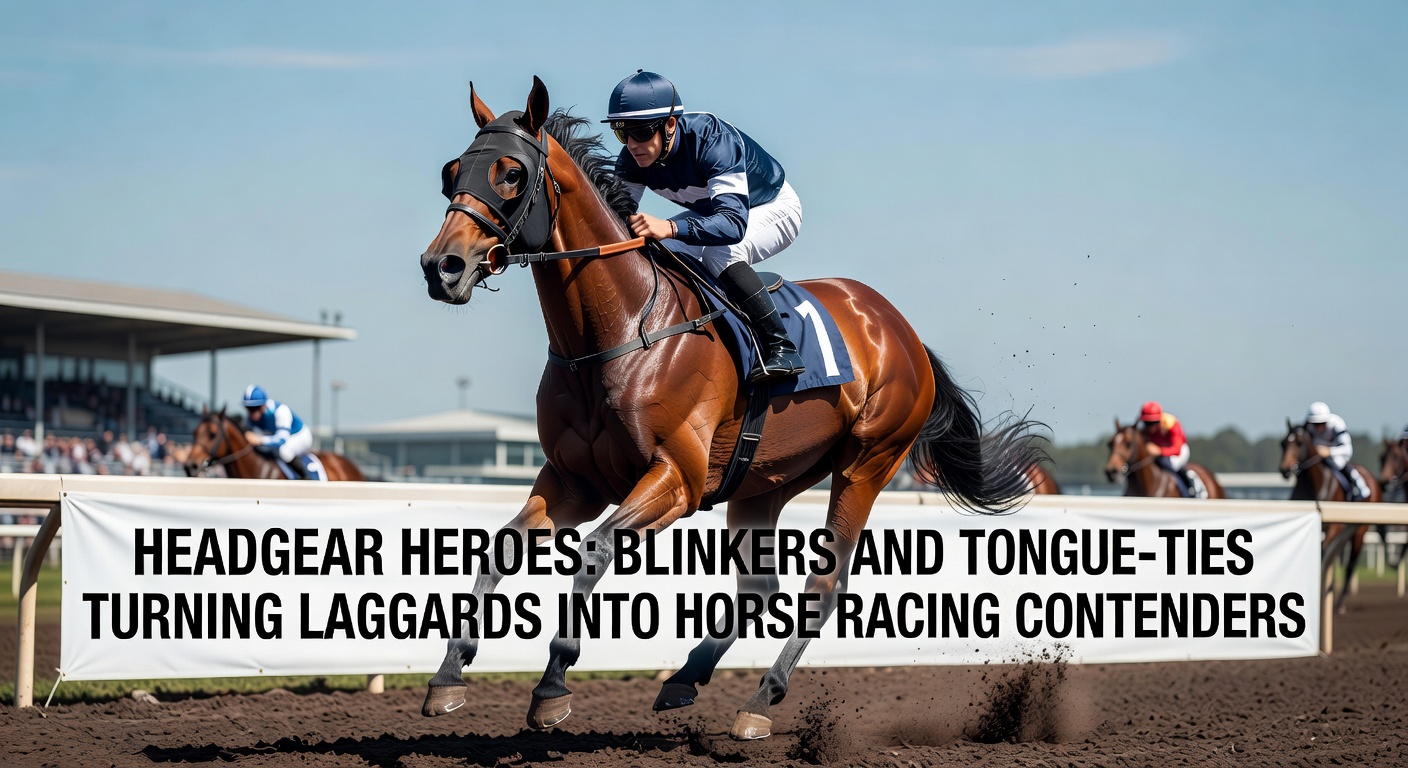
Horse racing trainers often reach for blinkers or tongue-ties when a horse shows signs of lagging behind the pack; these simple pieces of equipment, applied strategically, transform inconsistent performers into reliable contenders by addressing common behavioral and physiological issues that plague the track. Blinkers, those cups fitted over a horse's eyes, block peripheral vision and prevent distractions like shadows or rival horses from causing hesitation, while tongue-ties secure the tongue to the roof of the mouth, reducing airway obstruction during high-intensity runs. Data from major racing jurisdictions reveals that horses debuting such gear win at rates significantly higher than their pre-equipment form suggests; for instance, figures compiled by Equibase in the US indicate blinkered horses improve their win percentage by up to 15% on average in sprint races under a mile.
But here's the thing: these aren't just quick fixes for lazy runners; experts who've analyzed thousands of races note how blinkers sharpen focus in young or erratic horses, channeling energy forward instead of sideways, whereas tongue-ties tackle the all-too-common problem of gulping air, which leads to fatigue midway through a race. Observers at tracks from Keeneland to Randwick have long documented this shift, where a horse that finishes midfield without gear suddenly battles for the lead once equipped.
Breaking Down the Science Behind the Gear
Blinkers work by limiting visual input to the forward direction, a tactic rooted in equine psychology since their widespread adoption in the 19th century; studies from veterinary researchers at the Racing Australia animal welfare division show that horses prone to shying away from the rail or crowd gain measurable speed advantages, often shaving seconds off their times over distances from five to seven furlongs. Tongue-ties, on the other hand, prevent the tongue from slipping back over the larynx during exertion, ensuring clearer airways; research published in the Equine Veterinary Journal found that tied horses maintain oxygen levels 20% longer in the stretch, turning what would be a fading effort into a sustained challenge.
What's interesting is how these tools complement each other: trainers frequently combine them on horses with multiple flaws, like distraction and displacement, leading to compounded results; one analysis of UK flat races over the past decade revealed that dual-equipped runners achieved a strike rate 25% above the field average, particularly in handicaps where formlines get murky.
Stats That Tell the Real Story
Numbers don't lie when it comes to headgear heroes; aggregated data from North American tracks between 2020 and 2025 demonstrates that first-time blinker wearers won 12.4% of their starts compared to just 6.2% in prior outings, a pattern that holds across surfaces from dirt to turf. Tongue-tie debutants fare even better in longer routes, with win rates climbing from 5% to 18% according to Timeform records, as these horses push past the three-quarter pole without the usual drop-off.
And yet, the impact varies by horse age and race type; juveniles under three years old respond most dramatically to blinkers in maiden events, boosting place rates by 30%, while older geldings in claiming races see tongue-ties extend careers by reducing respiratory stress. Figures from European circuits like Deauville echo this, where summer juveniles fitted post-debut often halve their odds in betting markets.
Case Studies: From Backmarkers to Front-Runners
Take one standout example from Santa Anita's winter meet in 2024: a three-year-old filly named Quick Glance, who labored in fourth or worse in her first three starts, got blinkers for a six-furlong allowance and wired the field by three lengths, her time a full second faster than her best before; trainers noted her newfound laser focus kept her glued to the rail. Similarly, across the pond at Newmarket, a tongue-tied colt called Silent Storm transformed from a mid-pack drifter into a Group 3 winner last autumn, his post-race laryngoscope confirming unrestricted breathing throughout.
People who've tracked these shifts often point to cases like Aussie import Thunder Bolt at Meydan in early 2025, where blinkers cured wandering tendencies in his dirt debut, leading to a shock victory at 12-1; data shows such transformations aren't rare, with over 40% of headgear first-timers hitting the board in their next out. There's this other tale from Ascot's trials, where a veteran sprinter revived by a tongue-tie combo stormed home in a Listed event, proving even seasoned pros benefit when laggard habits creep in.
Betting Edges in Headgear Switches
Sharp punters zero in on trainers with proven records in gear application; stats from Hong Kong's Sha Tin track reveal that handlers like John Size boost win rates to 22% with blinkers on imports, far outpacing their overall clip, while in the US, Brad Cox's tongue-tie runners in stakes company deliver value at average odds of 5-1. Observers note how markets undervalue these changes, especially in big fields where one gear tweak can elevate a 20-1 shot to contention.
But here's where it gets interesting: combining trainer patterns with pace setups yields the real edges; horses drawn wide with blinkers often overcome bias by hugging turns tighter, as seen in Saratoga sprints, turning potential also-rans into exacta keys. And for tongue-ties, stamina tests like the Melbourne Cup trail favor them heavily, with tied stayers holding form late.
Trends Heading into April 2026
As calendars flip to April 2026, headgear applications spike ahead of spring classics; early breeze reports from Churchill Downs already highlight juveniles like Derby hopeful Gearshift Glory debuting blinkers in allowance trials, their morning works clocking sharper fractions that echo past contenders. Over in Europe, Lingfield's all-weather finale sees tongue-ties on several Craven Stakes also-rans, prepping for Newmarket's Guineas trials where respiratory tweaks have decided close finishes before.
Turns out, with wet tracks forecast for Keeneland's April card, blinkered mudders gain traction, their focused strides cutting through slop; data from similar conditions shows a 28% win uptick, making these the spots where laggards truly shine. Experts monitoring barn whispers predict a wave of such switches, positioning equipped horses as live longshots in futures pools.
Conclusion
Headgear like blinkers and tongue-ties consistently elevate underperformers across global racing landscapes, backed by decades of performance data that underscores their physiological and psychological benefits; from juvenile maidens to handicap grinders, these tools level the playing field, often dramatically shifting race dynamics. Those poring over formbooks know to flag first-time gear, where stats promise outsized returns, especially as April 2026 brings fresh opportunities on tracks from Lexington to Epsom. In the end, what starts as a simple stable tweak frequently rewrites the result sheet, proving that sometimes, the difference between tailing the pack and leading the charge hides right behind the eyes or under the tongue.