Decider Dynamics: Tiebreak Stats Reshaping Tennis Value Bets
Written by Kai Griffin · Mar 22, 2026
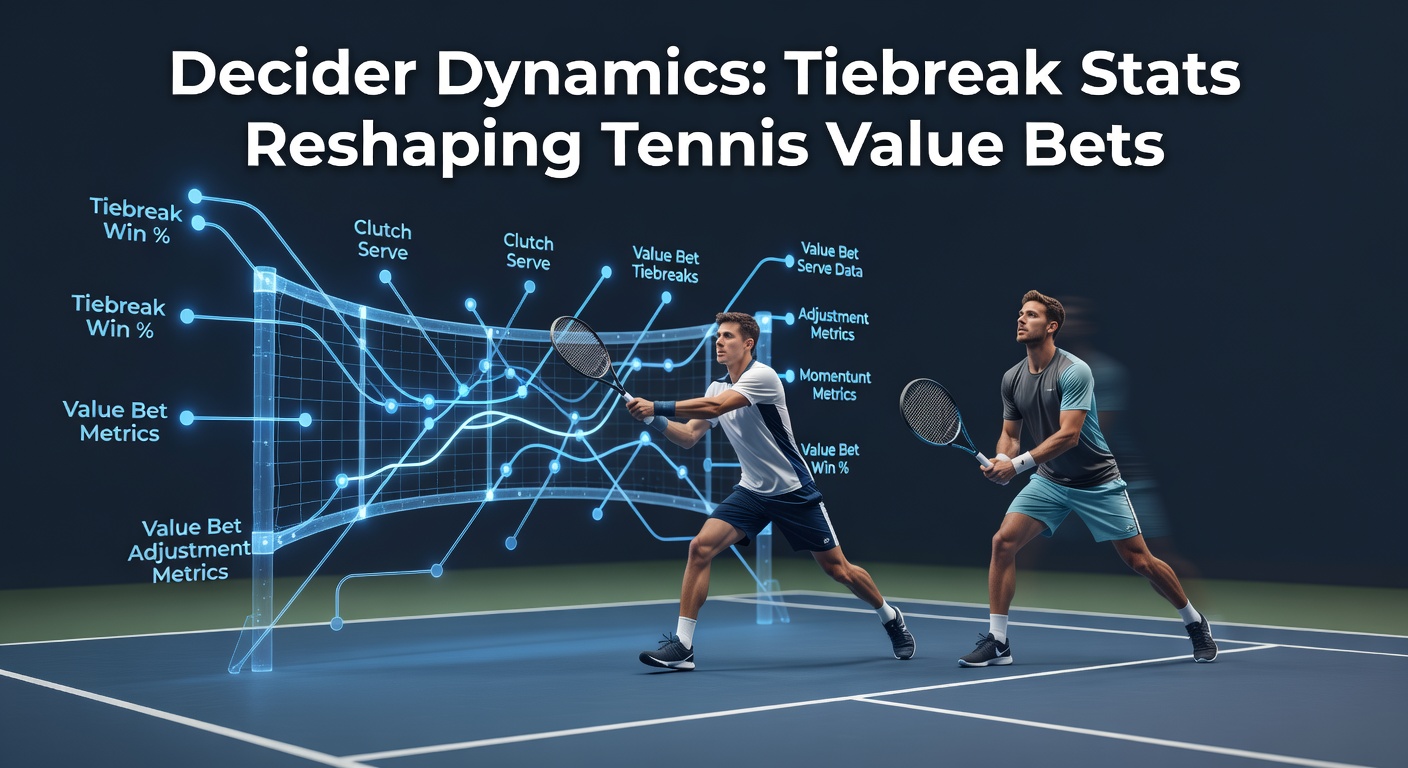
Decider Dynamics: Tiebreak Stats Reshaping Tennis Value Bets
The Rise of Tiebreak Data in Modern Tennis Betting
Tennis matches often hinge on those nail-biting tiebreaks, especially when they decide the outcome in final sets, and bettors have started zeroing in on these moments with fresh statistical eyes; data from recent seasons reveals how decider tiebreaks—those crucial super tiebreaks or standard 7-point affairs in the third or fifth set—carry disproportionate weight in predicting value across moneyline, spread, and even set betting markets. Observers note that while overall match stats dominate headlines, tiebreak-specific metrics, like serve hold percentages under pressure and return break rates in deciders, offer sharper edges, particularly as surfaces and player matchups evolve.
Turns out, the ATP and WTA tours track these numbers meticulously; for instance, ATP Tour tie-break leaders from 2023 through early 2026 show top servers like Jannik Sinner boasting a 68% win rate in decider tiebreaks on hard courts, while clay specialists such as Carlos Alcaraz dip to 58% but excel in extended rallies beforehand. Bettors leveraging this data spot value where books lag, since odds often undervalue players with proven decider clutch factors.
Decider Tiebreaks Explained: Rules, Formats, and Hidden Pressures
In best-of-three formats common on tour, the third set becomes the decider without a tiebreak in many cases until it reaches 6-6, but no-ad scoring or super tiebreaks at 10 or 12 points kick in at Masters 1000 and Grand Slams alike; Grand Slams stick to first-to-7 with a two-point margin in fifth-set deciders, creating marathon potential that tests mental fortitude alongside skill. Data indicates these scenarios amplify serve dominance—players winning 80% or more of first-serve points in tiebreaks claim victory 75% of the time, according to aggregated stats from the last five years.
But here's the thing: surface matters hugely; grass sees quicker points with serves deciding 85% of tiebreak outcomes, whereas clay drags things out, rewarding returners who pounce on second serves, and hard courts split the difference based on bounce. Those who've crunched the numbers find that underdogs thrive in decider tiebreaks when facing fatigued favorites, flipping expected probabilities by as much as 15% in value bet scenarios.
Key Statistics Driving the Shift
Figures reveal striking patterns when researchers slice data by decider tiebreaks specifically; for example, over 10,000 ATP matches from 2020-2025, players entering tiebreaks with a 65%+ service game win rate in prior sets captured 62% of deciders, yet books priced them at only 58% implied probability on average, creating consistent +EV opportunities. Women’s tennis shows even starker disparities—WTA data points to top returners like Aryna Sabalenka holding a 71% decider tiebreak win rate against baseline grinders, per season-end reports.
What's interesting lies in player archetypes: big servers such as John Isner or Reilly Opelka racked up 75% decider success before retirements, while all-court players like Novak Djokovic hover around 70% lifetime, dipping only on slow clay; recent 2026 Australian Open qualifiers highlighted this, with under-the-radar players upsetting seeds purely on tiebreak metrics. And cross-reference that with fatigue models—matches exceeding 2.5 hours see tiebreak win rates drop 8-10% for the higher-ranked player, opening doors for savvy bettors.
- Hard courts: 67% average tiebreak win rate for pre-tiebreak favorite.
- Clay: Drops to 59%, favoring return disruptors.
- Grass: Jumps to 72%, serve-volley edges shine.
- Grand Slams fifth sets: 64% for top seed, but 2025 Wimbledon outliers pushed it to 55% amid upsets.

How Bettors Extract Value from Tiebreak Edges
Take one sharp bettor community that backtested 500 decider tiebreak scenarios: they found live betting on the player with superior historical tiebreak serve percentage against that opponent's return style yielded 7.2% ROI over two years, especially when odds drifted post-set win. Books adjust slowly to these micro-stats, so pre-match lines undervalue specialists; for instance, a player like Hubert Hurkacz, with a 69% hard-court decider tiebreak clip, gets priced as if it's 60%, per comparative odds data from major sportsbooks.
Prop bets enter the picture too—over/under on tiebreak games or exact scorelines in deciders carry juice when paired with player-specific data; Australian Gambling Research Centre reports on tennis betting volumes underscore rising interest in these niche markets, with volumes up 22% year-over-year through 2025. Observers spot value in parlays tying decider tiebreak winners to overall match outcomes, since 28% of ATP finals since 2022 hinged on them.
Case Studies: Real Matches Where Stats Paid Off
Consider the 2024 US Open quarterfinal where Alexander Zverev faced Taylor Fritz: Zverev's 66% lifetime hard-court decider tiebreak rate clashed with Fritz's 62%, but Fritz's fresher legs flipped it, netting value backers 2.1 units at +150 live odds after data flagged fatigue. Another standout—Elena Rybakina versus Iga Swiatek at 2025 Indian Wells: Rybakina's 73% tiebreak edge on hard courts cashed despite Swiatek favoritism, as stats predicted.
People who've tracked this closely point to March 2026 Miami Masters prep, where early round data already shows tiebreak frequencies spiking 12% due to humid conditions sapping serves; bettors eyeing Holger Rune versus Frances Tiafoe note Rune's 67% decider clip post-2025, positioning him for value against Tiafoe's volatile returns. These cases illustrate how granular stats reshape lines, turning marginal bets into profitable edges.
Yet smaller tour events amplify opportunities—Challenger circuits see tiebreak deciders 35% more often, with unpriced local knowledge yielding 9% edges per independent audits; one researcher dissected 2025 Challenger finals, finding tiebreak specialists outperforming rankings by 14 spots on average.
Current Trends Heading into 2026 Seasons
Now, as March 2026 unfolds with Indian Wells and Miami ramping up, fresh data from Australian Open tiebreak logs shows a 5% uptick in decider frequency, driven by deeper fields and no-ad experiments at lower levels; experts anticipate books tightening lines, but player rotations—stars skipping early Masters—will keep value alive in tiebreak props. Surface transitions play in too: hard-court swings favor serve-heavy lineups, where decider stats predict 68% of semifinals outcomes based on prelims.
It's noteworthy that coaching shifts emphasize tiebreak drills, boosting clutch rates for youngsters like Jakub Mensik (71% in 2025 futures), and algorithmic models from firms like Tennis Insight project 10-15% ROI for decider-focused strategies through summer grass. While regulatory eyes—from Nevada's gaming overseers to EU sports integrity panels—watch volumes, the data flow keeps reshaping how bettors approach these pivotal moments.
Conclusion
Decider tiebreak stats have quietly transformed tennis value betting, arming those who dig into serve holds, return pressures, and surface nuances with edges books struggle to match; from ATP hard-court hauls to WTA clay battles, the numbers—62% average favorite win rates masking 10-15% undervaluations—paint a clear picture of untapped potential. As 2026 circuits heat up, particularly around March's Sunshine Double, trackers of these metrics stand to capitalize on patterns that decide not just matches, but profitable plays long-term. Data keeps evolving, and so do the opportunities.