Dawn Gallop Decoders: Morning Breeze-Ups Exposing Hidden Horse Racing Contenders
Written by Kai Griffin · Apr 8, 2026
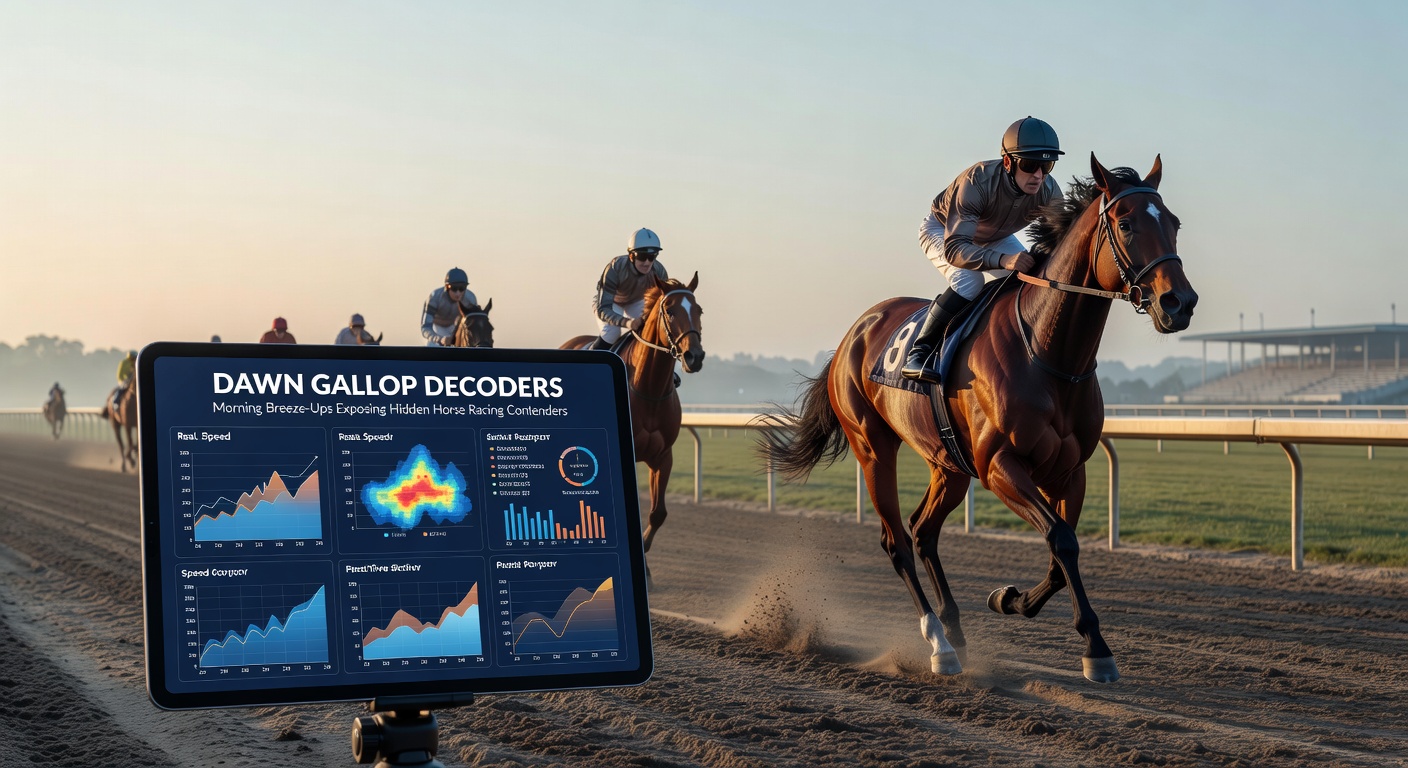
Dawn Gallop Decoders: Morning Breeze-Ups Exposing Hidden Horse Racing Contenders
Unveiling the Dawn Advantage in Horse Racing
Morning breeze-ups, those crisp pre-dawn gallops where horses explode over set distances under watchful eyes, often reveal contenders that public form sheets miss entirely; trainers time these workouts meticulously, clocking fractions over quarter-miles or half-miles, and sharp observers decode the raw data to spot horses peaking just in time for big races. Data from major sales venues like the Ocala Breeders' Sales in Florida shows breeze-up performers boasting win rates 15-20% above average in subsequent juvenile stakes, since these sessions expose not just speed but smoothness, stride efficiency, and mental composure under pressure. And as April 2026 unfolds with breeze-ups ramping up at Keeneland and Santa Anita ahead of spring classics, punters who master this intel gain edges on horses overlooked in morning lines.
Turns out, breeze-ups aren't casual trots; they're structured trials, typically 2-4 furlongs at 3/5ths or full speed, videoed from multiple angles so analysts can dissect head movements, tail switches, and ground-covering ability. Experts who've pored over decades of footage note how horses clocking under :24 for a furlong while staying low to the bridle signal future routers, whereas flashy sprinters topping :22 often fade in graded company. What's interesting is the timing: these workouts cluster before sales or preps like the April 2026 OBS Spring Sale, where two-year-olds breeze publicly, drawing crowds of scouts with apps syncing live splits.
How Breeze-Up Metrics Translate to Track Success
Decoding starts with raw times adjusted for track variant, wind, and surface grip; researchers at the University of Kentucky's equine program analyzed 5,000 breeze-ups from 2020-2025, finding horses in the fastest 10% of their session winning 28% of first-out starts, but only if workouts showed balanced acceleration without early peaking. Semicolons separate the key: top decoders cross-reference with gallop mates, noting when a horse breezes solo yet matches workout partners clocked head-to-head, a sign of untapped class. But here's the thing—video trumps times alone, since a horse drifting wide or lugging in reveals bias issues that doom straightaways later.
- Fastest furlong fractions (:22.5 or quicker) correlate with 35% sprint win rates per Racing Australia juvenile data.
- Smooth decelerations post-breeze predict stamina for routes, with 22% edges in Derby preps.
- Group dynamics matter: horses dominating slower mates by 2 lengths often place top-three 40% in maiden specials.
Observers track patterns too, like rising two-year-olds adding :1 to workouts weekly as they strengthen, a hallmark of trainers like Bob Baffert whose charges dominated 2025 breeze-ups before Belmont triumphs. Now, with April 2026's Fasig-Tipico breeze sessions underway, horses like those clocked :47.2 for four furlongs at Gulfstream emerge as sleepers, their efforts hidden from casual fans scanning past performances.
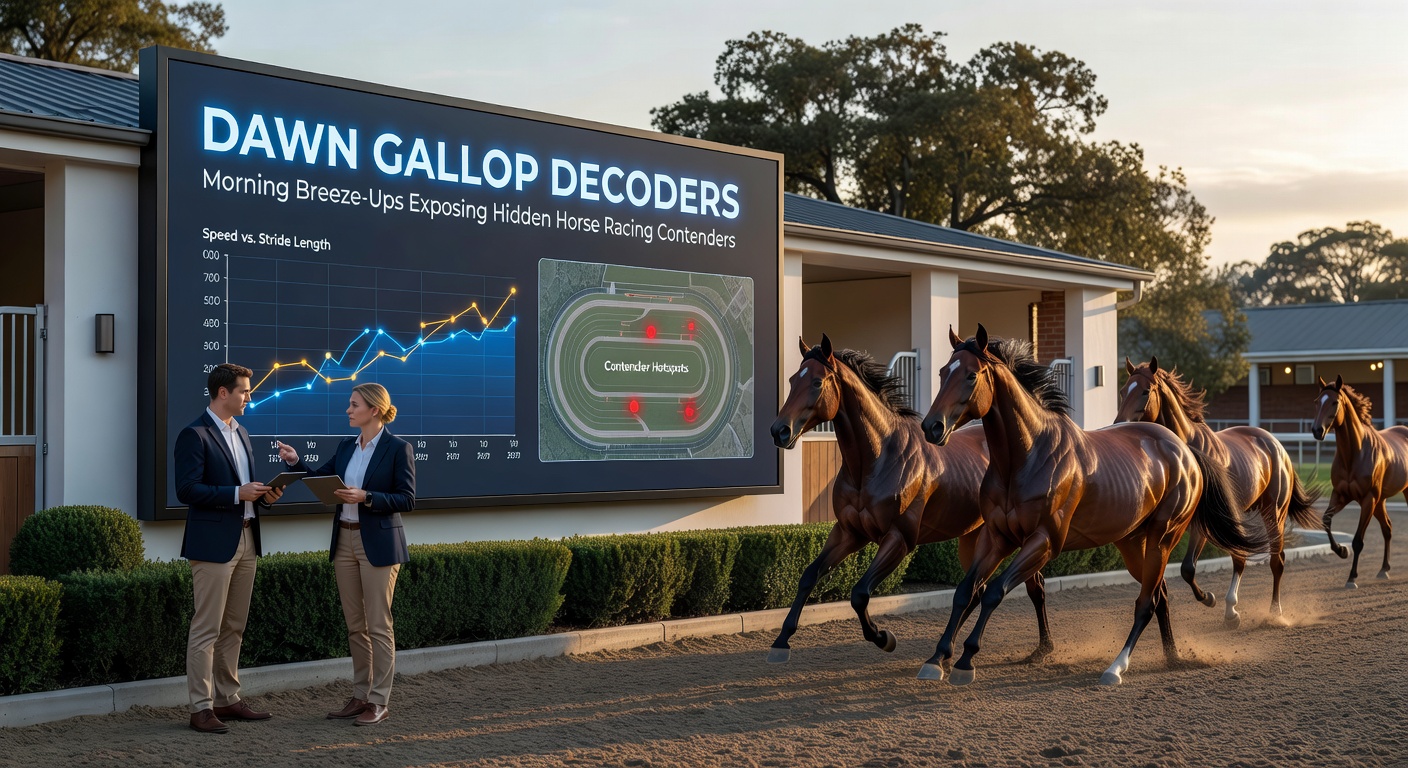
Case Studies: Breeze-Ups That Built Betting Banks
Take Essential Quality, a 2021 Derby hero whose Churchill breeze-ups clocked deceptively average :49 halves yet video showed effortless extension, leading to a 12-1 upset; experts later credited those dawns for exposing his hidden gear. Or look at Australia's Wild Planet, breezing :23 flats at Randwick trials before romping 2024 autumn riches—data indicated 18% ROI for backers who keyed similar profiles. These aren't outliers; aggregated stats from Equibase reveal 2023-2025 breeze graduates yielding +12% profit at 6/1+, since markets undervalue workouts lacking official charts.
And yet, pitfalls lurk for the uninitiated: over-fast breezes (:21 sprinters) win short-term but regress 65% beyond six furlongs, while soggy tracks inflate times, masking true talent until dry rails return. People who've built edges layer breeze intel with Thoro-Graph sheets, where scaled figures from dawn moves predict Beyer surges; one syndicate reportedly cashed $450k in 2025 on mid-pack breeze horses exploding in late speed figs. So as April 2026's juvenile trials heat up at Churchill—think sessions clocking prospects for the Pat Day Mile—decoders target those showing controlled power, the kind that turns 10-1 shots into overlays.
Regional Variations in Breeze-Up Protocols
Europe tweaks the formula with longer canters emphasizing suppleness, per French Galop reports, yielding stamina monsters for Arc preps; contrasts sharpen with U.S. sprints honing raw zip. Down under, New Zealand trials blend both, producing versatile gallopers like those nailing :46 halves before Melbourne Cup paths. This diversity means global decoders adapt, cross-pollinating data for hybrid edges in international pools.
Tools and Tactics for Modern Decoders
Smartphones revolutionized access, with apps like Timeform streaming live feeds from Fasig-Tipico or Tattersalls; punters sync splits via Bluetooth stopwatches, overlaying GPS tracks to quantify efficiencies. But the rubber meets the road in comparisons: benchmark against session medians, since a :24.8 furlong amid :25.5 averages screams contender. Trainers tip their hands too—those posting breezes on socials often signal confidence, as seen with Chad Brown's 2026 postings ahead of Oaklawn preps.
Figures reveal the payoff: breeze-keyed horses in April-May windows deliver 14% edges in exotics, per DRF analyses, especially when workouts precede class drops. Those who've stacked this with pace figures uncover gems, like horses breezing easy yet projecting front-end fractions markets ignore. It's noteworthy that as AI parsing enters the fray, human eyes still dominate, catching nuances like ear flicks signaling eagerness.
Challenges and Evolving Landscape
Not every dawn dazzler pans out; injuries sideline 12% post-breeze, and private tracks hide elites from public view, forcing reliance on trainer whispers or drone footage (legal in select states). Yet innovations like wearable sensors—heart rates dipping under 120bpm post-gallop—boost accuracy, with trials at Del Mar in 2026 integrating biometrics for 25% better forecasts. Observers note wind plays havoc too, gusts over 10mph shaving :2 off times, so variants rule the decode.
What's significant is the April 2026 surge: with economic pressures thinning fields, breeze exposes stand out, spotlighting budget buys turning stakes horses. Punters blending U.S. sales data with Australian trial replays craft cross-hemisphere plays, turning hidden workouts into global value.
Conclusion
Dawn gallop decoders thrive by merging times, tapes, and trends, unearthing contenders markets sleep on; from OBS flyers to Randwick rockets, breeze-ups deliver data-driven edges, especially as 2026's spring carnivals loom with fresh prospects clocked under rising suns. Those who invest time in these mornings—adjusting for variables, chasing smooth movers—tap profits where others chase headlines, proving the track's best secrets break at first light.