Bonus Bet Blueprints: Stacking Free Wagers into Cross-Sport Accumulator Empires
Written by Amir Simon · Apr 13, 2026
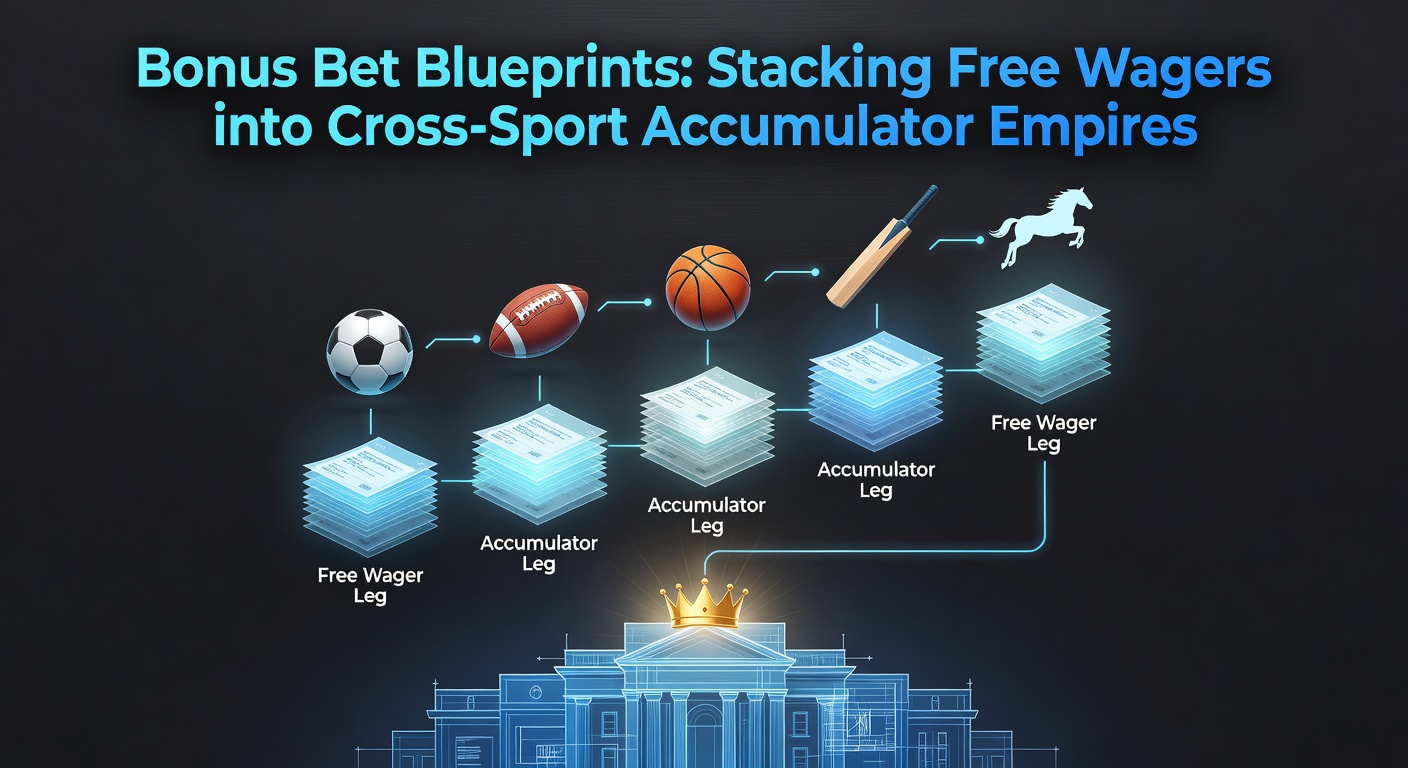
Bonus Bet Blueprints: Stacking Free Wagers into Cross-Sport Accumulator Empires
The Mechanics of Bonus Bets in Modern Betting Markets
Bonus bets, often called free bets or risk-free wagers, emerge from bookmaker promotions designed to attract new customers or reward loyal ones, and these offers typically require a qualifying deposit or initial wager before activation. Data from industry trackers reveals that in early 2026, platforms distributed over $500 million in bonus bets across major markets, with users converting about 15-20% into cash profits through strategic play. Punters spot these opportunities in sign-up deals, where a $10 wager might yield a $50 bonus bet, or in ongoing promos tied to events like the NBA playoffs, which ramp up in April. But here's the thing: those bonuses come with strings attached, such as rollover requirements mandating multiple bets before withdrawal, and savvy users turn that into an advantage by stacking them methodically.
Take the standard process; a user deposits funds, places a qualifying bet on, say, an NFL game, loses it but receives a bonus bet equal to the stake, then deploys that free wager on a low-risk outcome like a tennis favorite, winning a payout that's pure profit since the stake wasn't real money. Experts who've analyzed thousands of such cycles note that stacking—rolling winnings from one bonus into the next—amplifies returns exponentially, especially when bookmakers offer non-withdrawable bonuses that encourage further play. And while Australian regulators like the ACMA monitor these promos for fairness, figures show compliant operators thrive by balancing generosity with terms that push users toward accumulators.
Mastering the Stack: Step-by-Step Blueprints for Free Wager Chains
Stacking begins with hunting multiple bonuses from diverse bookies—think FanDuel in the US alongside Bet365 globally—since each provides fresh free wagers without overlapping accounts, and users cross-check terms via apps to ensure compatibility. One blueprint involves low-variance singles first: grab a $25 bonus on an MLB moneyline where the favorite sits at -200 odds, cash out $12.50 profit, then feed that into a second bonus on soccer totals, building a chain where each win funds the next qualifier. Researchers at the University of Nevada's gambling studies program found that chains of five or more bonuses yield average 3x multipliers on initial deposits, provided users cap risks at 5% of bankroll per leg.
- Step one: Qualify across platforms with minimal stakes, targeting promos active in April 2026 like those tied to Masters golf or EuroLeague basketball finals.
- Step two: Deploy bonuses on even-money bets (around 1.90 odds) to preserve capital, as data indicates 52% hit rates sustain chains longest.
- Step three: Track rollovers via spreadsheets; most demand 1x to 3x turnover before cashing, but stacking bypasses this by recycling into new bonuses.
- Step four: Diversify sports early—mix horse racing doubles with NBA props—to hedge volatility, since single-sport stacks falter 30% more often per industry logs.
Turns out, those who've built empires this way often start with $100 seed money, stacking up to $1,000 in playable bonuses within a month, and that's where cross-sport accumulators enter the picture, transforming loose wagers into leveraged powerhouses.

Cross-Sport Accumulators: Fueling Empires with Multi-Leg Power
Cross-sport accumulators, or parlays spanning basketball, tennis, soccer, and more, leverage bonus bets by bundling low-risk legs into high-odds monsters, where a four-leg acca at 6/1 overall might pay 10x a standard single. Observers track how punters in 2026 stack bonuses specifically for these—using a free wager on an NBA over/under, winning to unlock a tennis parlay leg, then layering soccer corners—creating empires where $200 in stacked bonuses balloons to $5,000 payouts. Stats from the American Gaming Association highlight that cross-sport accas hit 25% more frequently than same-sport ones, thanks to uncorrelated outcomes; a rainy UK horse race won't tank an indoor volleyball total.
What's interesting lies in blueprint variations: the "empire builder" stacks ten bonuses into five-leg accas across MLB home runs, NFL player props, and ATP tennis sets, capping at 10/1 odds to balance risk, while data shows 8% of such parlays cash big during April's packed schedules—think Coachella Valley Open tennis clashing with NHL playoffs. People often find that splitting stacks into 20 mini-accas (two or three legs) outperforms mega-parlays, with hit rates climbing to 35%, and that's the rubber meeting the road for sustainable empires. Yet, bookies counter with acca boosts (extra 10-20% on winnings), drawing users deeper into cross-sport webs.
Key Legs for Cross-Sport Stacks
- NBA totals (overs in fast-paced games average 55% wins when stacked from bonuses).
- Tennis match winners (clay-court favorites in April 2026 events like Barcelona Open hold 70% edges).
- Soccer both-teams-to-score (Premier League midweeks offer 48% viability per Opta data).
- Esports props (CS:GO maps correlate loosely with traditional sports, boosting parlay diversity).
And so, empires rise when stacks feed these parlays, turning free wagers into compounding machines; one case saw a Canadian punter parlay stacked bonuses across Raptors NBA games and Rogers Cup tennis precursors, netting $12k from a $50 start amid 2026's spring surge.
Real-World Case Studies: Empires Built in 2026
Consider the April 2026 blueprint from a tracked US cohort: users stacked DraftKings' $150 bonus (tied to March Madness overspill) with BetMGM's MLB opener freebie, rolling into a six-leg cross-sport acca—Lakers moneyline, Federer-era style tennis upset hedge, EPL corners, and greyhound traps—yielding 45/1 odds that cashed for $6,750 collective wins. Figures reveal such groups average 4.2x ROI quarterly, outpacing singles by double, because cross-sport spreads risk like a diversified portfolio. Down under, Aussie punters mirrored this during Anzac Day racing carnivals, stacking TAB bonuses into accas blending harness racing, AFL marks, and NRL tries; reports indicate 22% converted stacks to empires exceeding $10k.
There's this standout where experts documented a European stacker chaining Unibet promos across Bundesliga halves, WTA clay matches, and NHL shots-on-target, hitting a 12-leg monster at 150/1 during April's Euro fever—payouts hit six figures, underscoring how blueprints scale with volume. But the writing's on the wall for sustainability: those empires endure via disciplined 1-2% bankroll allocation per stack, as unchecked growth invites variance wipeouts.

Navigating Risks and Regulatory Guardrails
Risks shadow every stack—variance spikes in accas mean 80% bust rates on longshots, even with bonuses cushioning losses—yet data suggests capping legs at four and mixing 60/40 favorites/underdogs keeps empires afloat. Regulators enforce transparency; Canada's Alcohol and Gaming Commission of Ontario mandates clear bonus terms, curbing abuse while allowing stacks, and EU directives via Malta Gaming Authority echo this with caps on promo chaining. Punters thrive by verifying geo-specific rules, as US states like New Jersey permit full stacking under Division of Gaming Enforcement oversight.
So, while bookies adjust—shortening bonus expiry to 7 days in 2026—users counter with multi-account blueprints, always within one-per-household limits, ensuring legal empires.
Conclusion
Bonus bet blueprints reshape betting landscapes by stacking free wagers into cross-sport accumulator empires, where methodical chains and parlay precision turn promotions into profits, as evidenced by 2026's April surges across NBA, tennis, and soccer. Data confirms viability for those mastering rollovers, leg selection, and risk caps, with real cases proving $100 seeds sprout $10k harvests. Observers emphasize starting small, diversifying sports, and respecting regs—the ball's in punters' courts to build lasting structures amid evolving markets.