Analyzing bench depth metrics for profitable NBA futures positions during injury waves
Written by Kai Griffin · Jul 25, 2026
Analyzing bench depth metrics for profitable NBA futures positions during injury waves
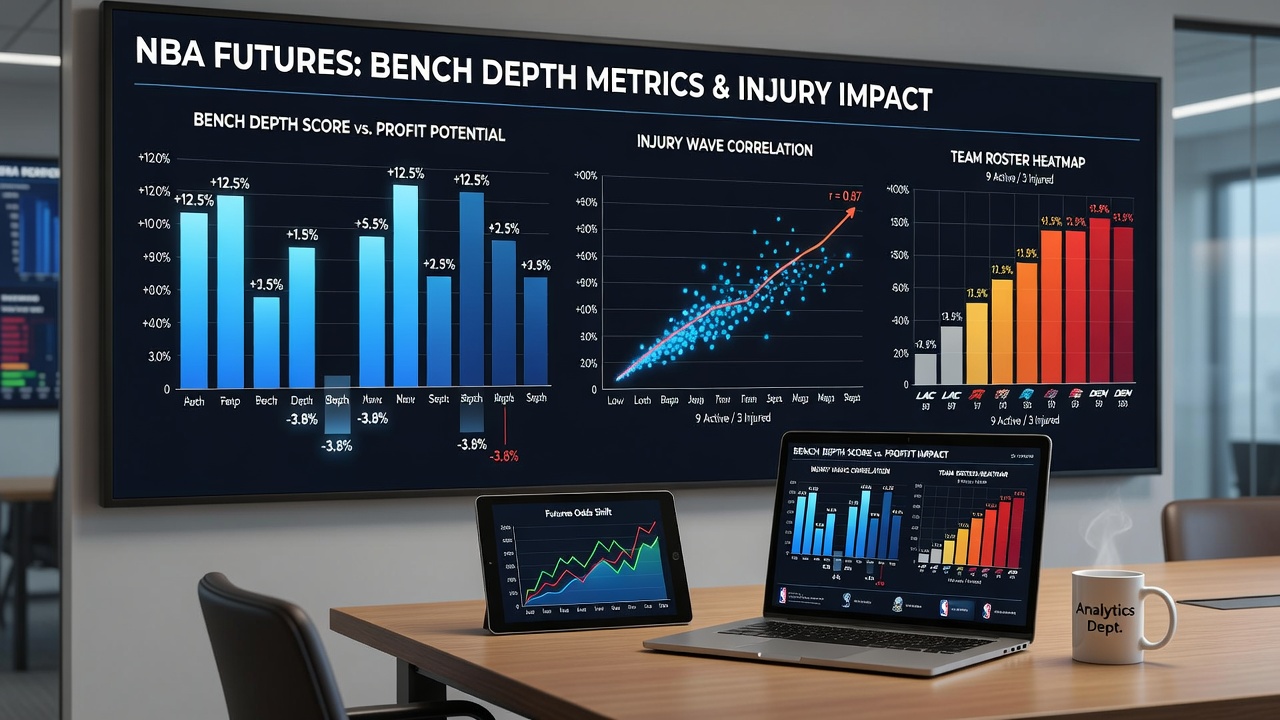
Teams with strong bench production maintain value in futures markets even when star players miss extended time, and analysts track specific metrics to identify those edges before lines adjust. Bench depth metrics include points per game from reserves, plus/minus ratings for second-unit lineups, and usage rates among rotation players who step into larger roles during injury stretches. These figures become especially relevant in July 2026 as front offices finalize rosters ahead of training camps and futures bettors evaluate conference and division odds for the upcoming season.
Core Metrics That Reveal Bench Strength
Data from recent seasons shows that teams ranking in the top quartile for bench scoring allow starters to rest without major drops in efficiency, which preserves their position in futures betting markets when injuries hit. Researchers at sports analytics programs have compiled season-long datasets that separate bench output into categories such as points created off the bench, defensive rating for reserve units, and net rating swings during starter absences. Observers note that teams posting bench plus/minus values above league average sustain better records in games involving multiple injuries, and this pattern appears consistently across Eastern and Western Conference schedules.
Minutes-weighted bench production offers another layer, because raw totals can mislead when teams play short-handed for long stretches. Analysts calculate these adjusted figures by weighting each reserve player's contribution according to actual minutes played during injury waves, then compare the results against historical averages. Teams that maintain bench efficiency above 105 points per 100 possessions while missing key contributors often see their futures odds hold steadier than market expectations would suggest.
Injury Waves and Market Reactions
Injury waves occur when multiple rotation players go down within a short window, and betting markets sometimes overreact by inflating odds on teams with visible star power but shallow benches. Historical records indicate that squads with documented depth recover faster in the standings, which creates opportunities in futures positions taken before the full extent of injuries becomes priced in. Data from league-wide injury reports reveals that teams with at least three rotation players posting positive plus/minus in bench units win roughly 58 percent of games during stretches when two or more starters are sidelined.
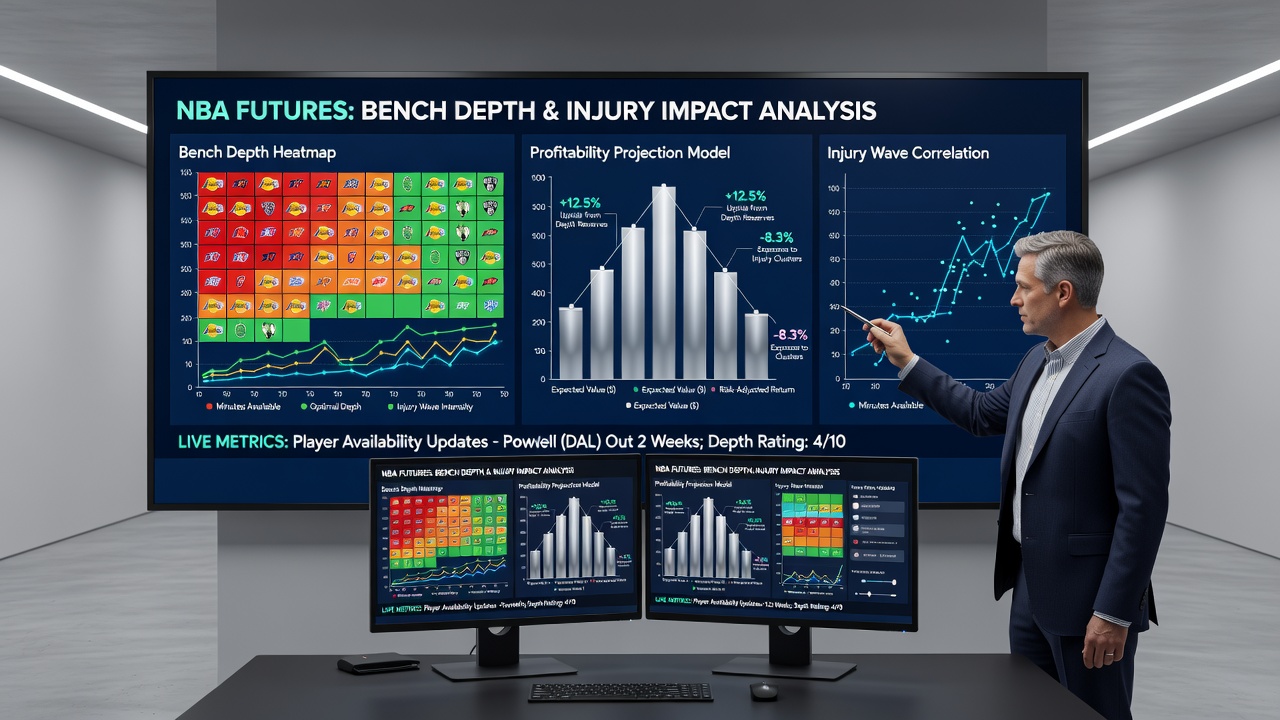
Those patterns hold across both regular-season and playoff samples, although the sample sizes shrink in postseason play. Futures traders who monitor daily bench usage reports can identify teams whose reserves have already demonstrated the ability to absorb increased minutes without efficiency loss. Such preparation often appears in advanced tracking data weeks before the next injury wave materializes.
Applying Metrics to Futures Positions
Futures positions tied to conference winners or playoff advancement benefit when bettors cross-reference bench depth rankings with projected injury timelines. League sources publish weekly injury reports that list expected return dates, and combining those timelines with bench efficiency numbers produces clearer pictures of which teams can sustain performance. Studies conducted by university sports research groups have found measurable correlations between pre-season bench depth scores and mid-season futures value retention during high-injury periods.
Teams that rank high in bench defensive rating while posting above-average offensive creation from reserves tend to see smaller line movement after key injuries, because sharp bettors already account for the cushion those units provide. This dynamic creates windows where futures positions can be established at better prices before public perception catches up with the underlying metrics.
Tracking Adjustments in Real Time
Real-time adjustments involve watching how coaches alter rotation patterns once injuries occur, because some teams increase bench minutes earlier than others. Data indicates that squads accelerating bench usage while maintaining positive net ratings during those shifts preserve more futures value than teams that delay such changes. Analysts compare these shifts against historical patterns from similar injury waves to gauge whether current depth will prove sufficient.
External factors such as back-to-back scheduling and travel demands further test bench resilience, and metrics that incorporate opponent-adjusted efficiency provide additional context. Teams whose reserves post strong numbers against playoff-caliber defenses show greater durability when injury waves coincide with demanding stretches of the calendar.
Conclusion
Bench depth metrics supply measurable signals for evaluating NBA futures positions during injury waves, and systematic tracking of those figures allows for objective assessment of team resilience. Data from multiple seasons demonstrates that squads with proven reserve production retain more value in futures markets than teams relying primarily on star availability. Observers who integrate bench efficiency rankings with injury timelines and usage patterns identify opportunities that reflect actual performance capacity rather than surface-level roster changes.