Altitude Effects on Endurance Metrics in High-Elevation Football Fixtures and Their Bearing on Live Handicap Adjustments
Written by Rafael Beck · May 28, 2026
Altitude Effects on Endurance Metrics in High-Elevation Football Fixtures and Their Bearing on Live Handicap Adjustments
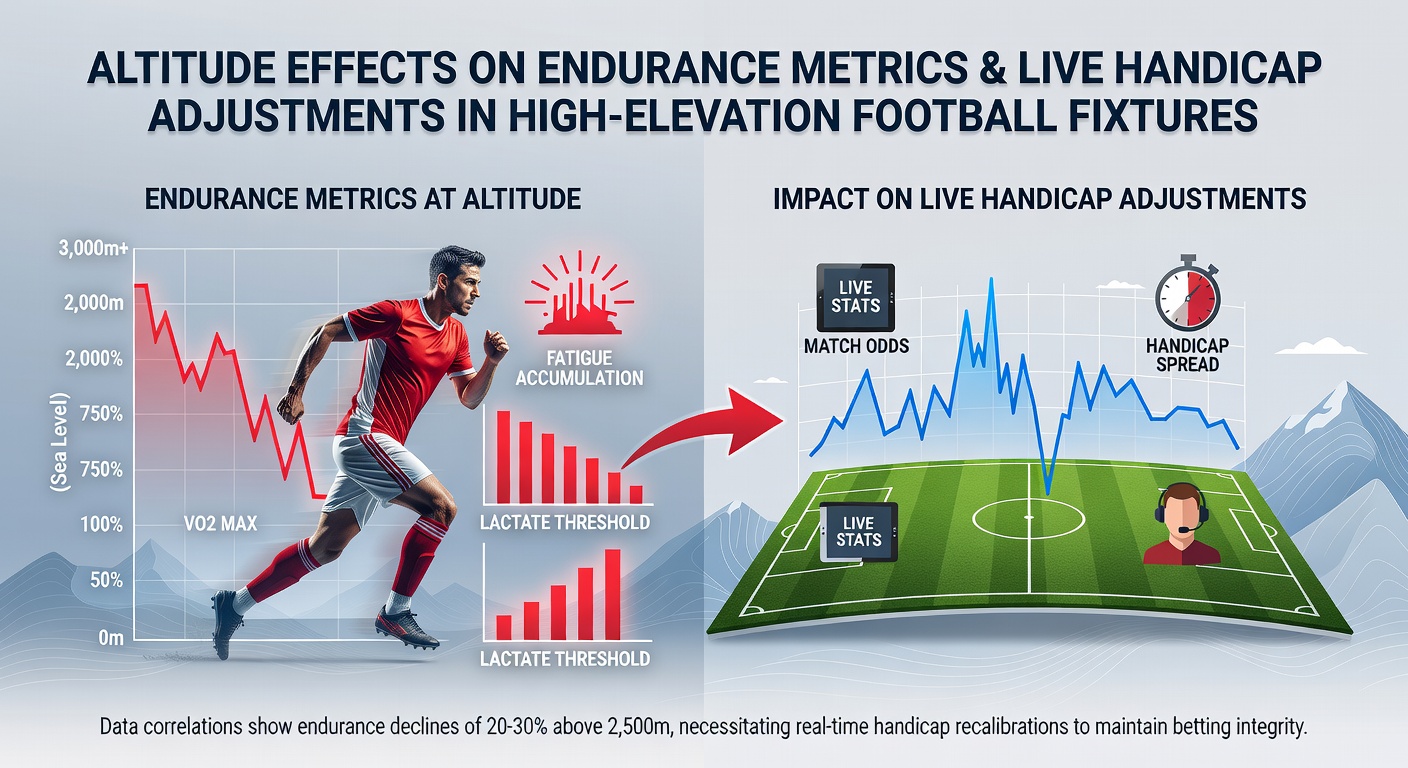
High-elevation football venues create distinct physiological demands that reshape player performance and force bookmakers to recalibrate live handicap lines in real time, while researchers track how reduced oxygen availability alters key endurance metrics during matches in places like La Paz and Quito. Data collected from CONMEBOL competitions shows that teams traveling from sea-level locations cover 8 to 12 percent less total distance in the second half when playing above 2500 meters, and this drop becomes more pronounced after the 60-minute mark as players shift from high-intensity runs to lower-effort positioning.
Studies published through the University of the Andes document corresponding declines in repeated sprint ability and elevated heart rates that persist even after acclimatization periods of several days, and these changes directly influence how in-play betting markets adjust handicap spreads once the opening 15 minutes reveal whether visiting sides can maintain their usual pressing intensity. Observers note that matches at these altitudes frequently produce fewer shots on target after halftime, yet the home side often sustains territorial dominance because opponents tire faster and allow longer spells of possession.
Physiological Responses at Elevation
Reduced partial pressure of oxygen triggers immediate increases in ventilation rate and cardiac output, while blood oxygen saturation falls and forces the aerobic system to operate at a lower ceiling than at sea level. Research indicates that maximum oxygen uptake can drop by 10 to 15 percent at 3000 meters, and this limitation compounds when matches extend into extra time or when fixture schedules pack multiple high-altitude games within a short window. Teams that arrive only 48 hours before kickoff experience sharper declines in work rate compared with squads that spend a full week adapting, and the difference shows up clearly in GPS-tracked metrics such as high-speed running distance and number of accelerations above 3 meters per second squared.
Endurance Metrics Captured During Matches
Modern tracking systems record average total distance covered per player at roughly 9.8 kilometers in high-elevation fixtures versus 10.6 kilometers in comparable sea-level encounters, and the gap widens further when temperature and humidity also rise. Heart-rate data reveals that players spend 18 to 22 percent more time above 85 percent of maximum heart rate during the first half at altitude, yet this early expenditure leaves fewer reserves for the closing stages. Analysts reviewing Copa Libertadores fixtures scheduled for May 2026 note that visiting midfielders register 25 percent fewer recoveries in the final 30 minutes, and these patterns feed directly into algorithms that update live handicap values after each substitution or tactical shift.
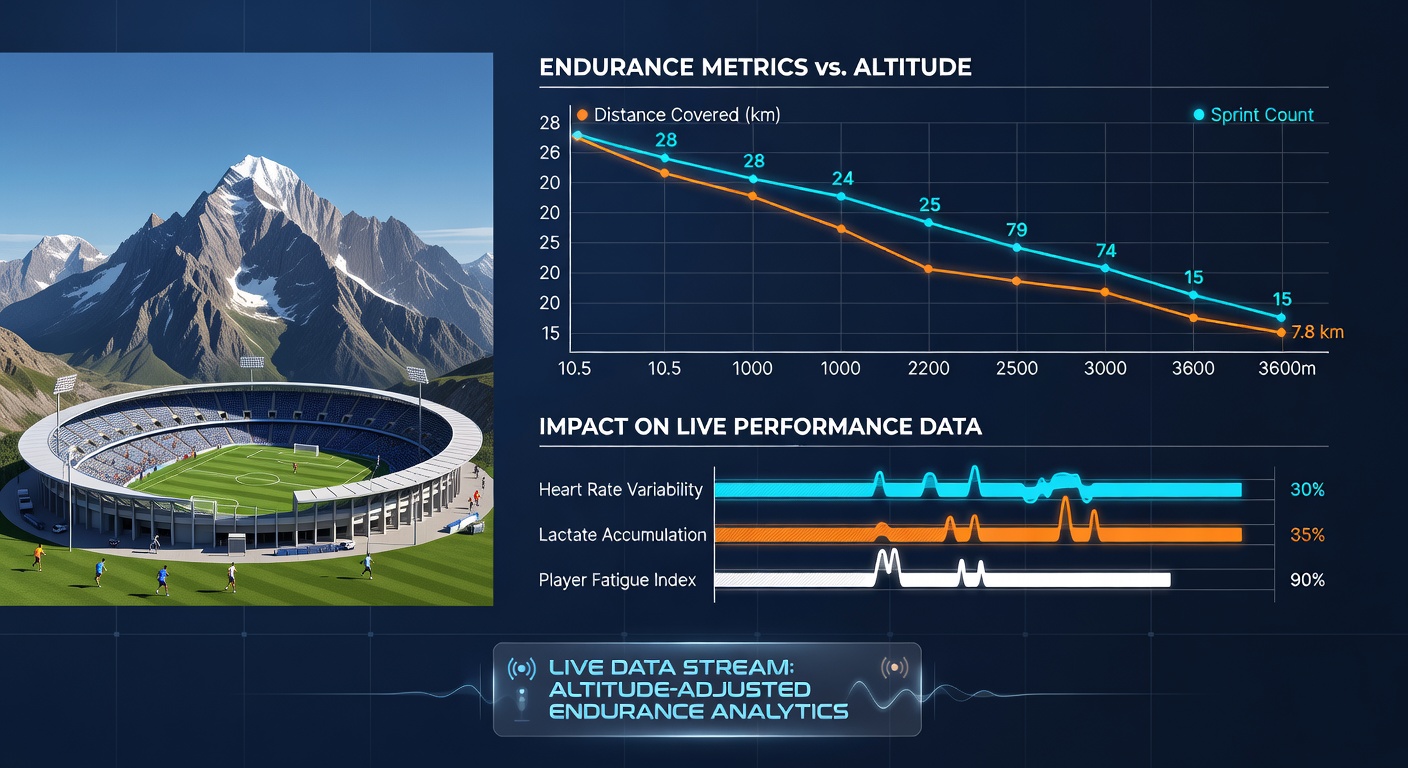
Coaches have adjusted preparation by incorporating hypoxic tents and altitude simulation masks in training camps, and the measurable outcome appears in preserved sprint counts during the final quarter of matches. One study of Bolivian league games found that home teams maintained a 6 percent higher pass-completion rate after the 75th minute compared with visiting sides, a margin that widens when the visitors have not completed a structured acclimatization protocol.
Impact on Live Handicap Adjustments
Bookmakers monitor early possession and distance-covered differentials to shift handicap lines within the first half, and markets respond faster when data feeds show visiting teams dropping below their season-average high-intensity efforts. A side listed at minus 0.75 goals before kickoff may see that line move to minus 0.25 or even level once tracking reveals the away midfield has already logged 15 percent less explosive distance than expected. Because goal tallies at altitude tend to arrive in clusters during the opening 30 minutes before fatigue sets in, live handicap traders place heavier weight on first-half metrics than on overall expected goals models calibrated for sea-level conditions.
Regulatory bodies such as those overseeing sports integrity in South American federations have begun requiring clubs to submit acclimatization reports ahead of continental ties, and teh additional information helps operators refine their in-play models. When a fixture features two teams both based above 2000 meters, the endurance gap narrows and handicap movement becomes more modest, whereas matches pitting sea-level visitors against established highland sides produce sharper line adjustments once the 45-minute mark passes.
Case Examples from Recent Seasons
Fixtures in Quito during the 2025 Copa Libertadores group stage illustrated how early goal concessions followed by a visible drop in visiting team accelerations prompted handicap lines to tighten by 0.5 goals within 25 minutes of play. Similar patterns emerged in La Paz encounters where the home side preserved defensive shape longer and forced opponents into longer recovery jogs rather than quick transitions. These documented shifts allow traders to identify value when markets overreact to first-half scorelines without fully pricing the altitude-driven endurance curve that unfolds later.
Conclusion
Altitude imposes measurable constraints on endurance metrics that manifest in reduced high-speed running, elevated heart-rate loads, and altered possession dynamics, and these constraints require continuous recalibration of live handicap lines throughout high-elevation fixtures. Data gathered across multiple competitions demonstrates consistent second-half declines for non-acclimatized sides, while home teams sustain output longer and thereby influence the timing and magnitude of in-play adjustments. As scheduling for May 2026 continental matches continues, the integration of real-time GPS and heart-rate feeds will further tighten the link between physiological monitoring and handicap movement in these distinctive environments.